Ceramic 3
Quoted on inspection
3-year protection
- Decontamination & clay
- Single-stage correction
- Ceramic coating, 3-year
- Glass & alloy coating
- One free maintenance wash
Home/Ceramic Coating
 Authorised Turtle Wax StudioTellapur, Hyderabad
Ceramic Coating
Wax lasts a month. A ceramic coating chemically bonds to your clear coat and stays there for years — repelling water, resisting UV and chemicals, and making the car dramatically easier to wash. It is the single best-value thing you can do to a car's paint.
How it works
A ceramic coating is a liquid polymer with a high silica content. Applied to properly prepped paint, it cures into a hard, transparent layer that is chemically bonded — not sitting on top like wax, waiting to wash off. What you get is a surface that is slicker, harder and far less willing to hold dirt.
The catch is that a coating locks in whatever is underneath it. If the paint has swirls and oxidation when it goes on, you have sealed those in for three years. That's why the prep and correction stage is most of the work and most of the price.
Rain beads and sheets away, taking dust with it. Washing takes half as long and needs far less pressure.
Hyderabad sun oxidises clear coat and fades reds and blacks fastest. The coating takes that hit instead.
Bird lime, tree sap and acidic rain get far longer before they can etch anything.
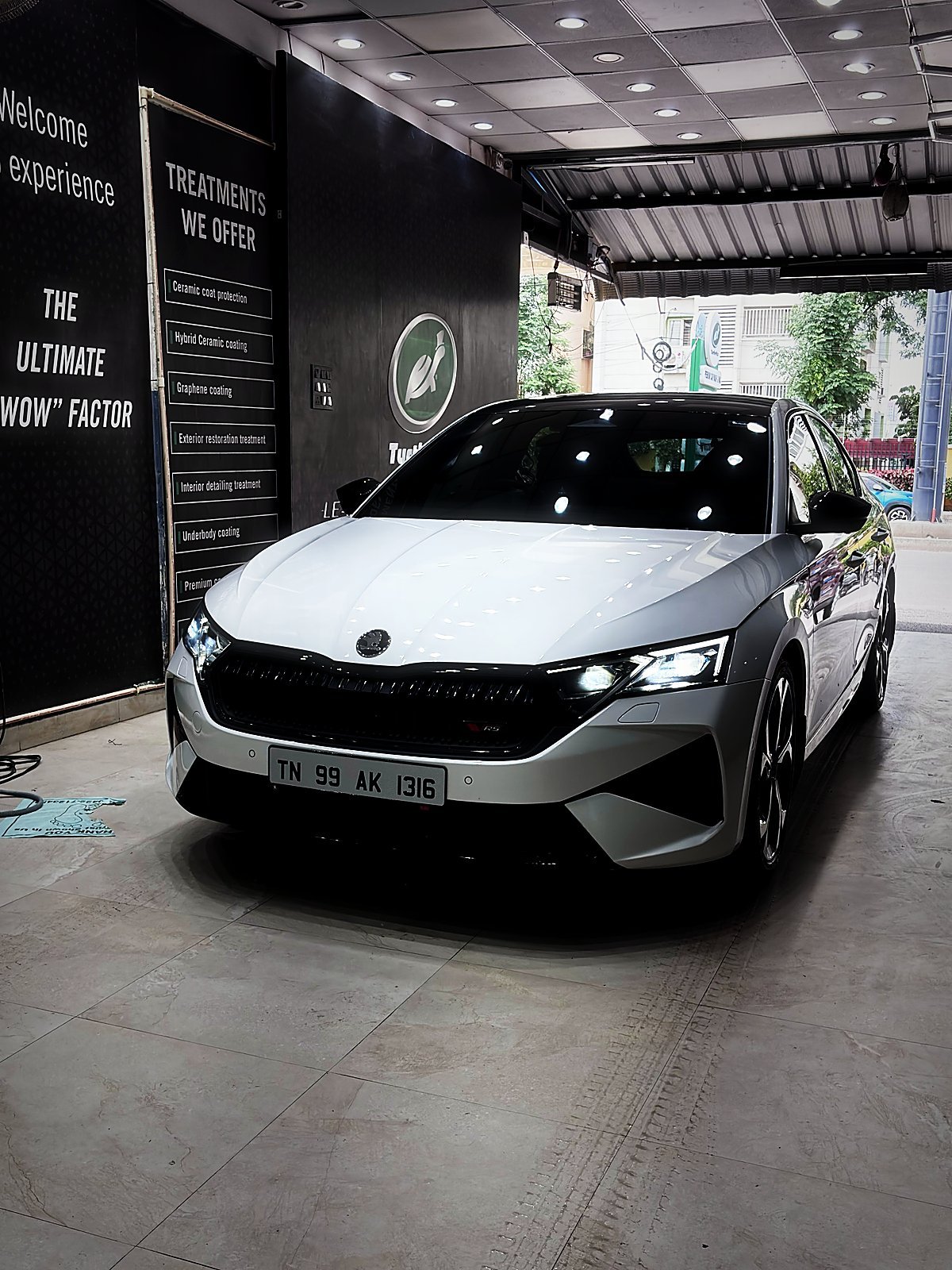
Especially on dark colours, where a correction plus coating is a genuinely dramatic difference.
 ceramic-hero.jpg1200 × 1600 (portrait)
Packages
The difference between them is how much correction happens first and how long the coating is warranted. Prices are starting points for a hatchback.
Quoted on inspection
3-year protection
Quoted on inspection
5-year protection
Quoted on inspection
Coating over PPF
Quoted after inspection — paint condition changes how much correction is needed, and that's the variable.
Straight answers
| What you want | Ceramic | Graphene | PPF |
|---|---|---|---|
| Stops stone chips | No | No | Yes |
| Water beading | Excellent | Excellent | Good |
| Resists water spotting | Moderate | Best | Moderate |
| Heat dissipation | Standard | Better | Standard |
| Gloss and depth | Yes | Deeper | Slight |
| Typical lifespan | 3–5 years | 5+ years | 5–10 years |
| Typical cost | Lowest | Mid | Highest |
On video
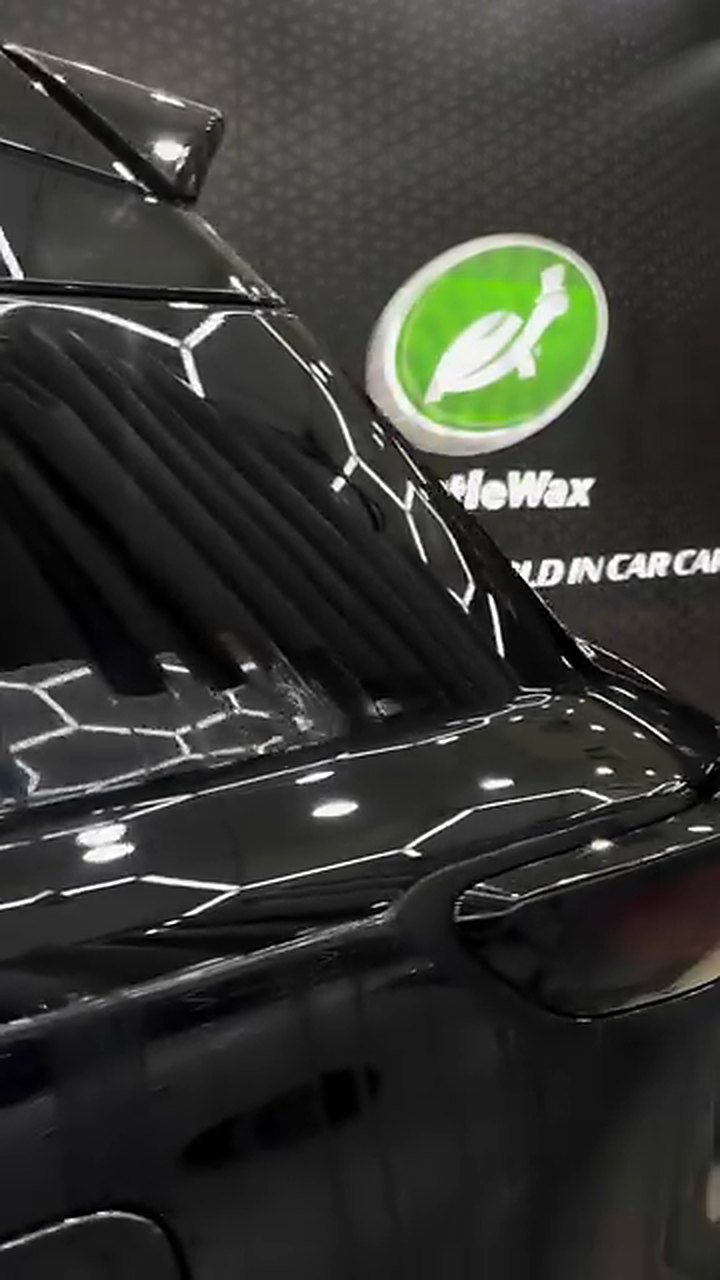
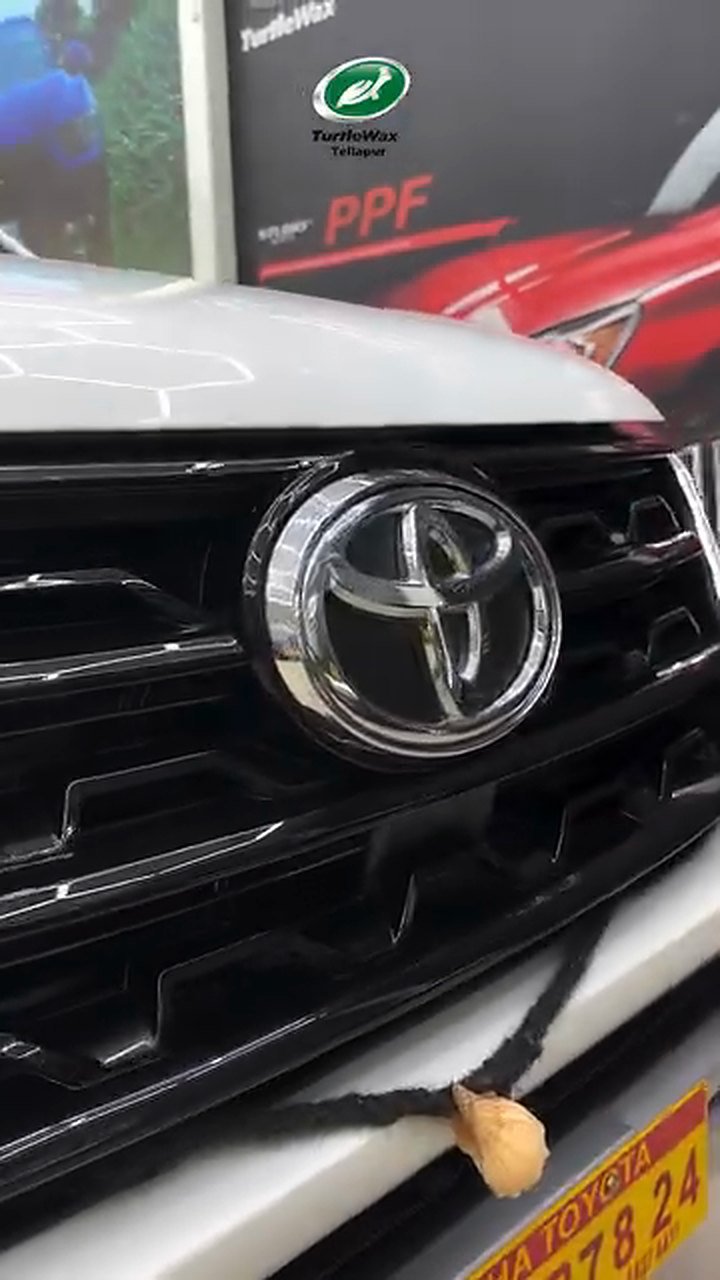
Correction under the light, then the coating levelled panel by panel. The water test at the end is the bit people share.
 Reel
Reel
 Reel
Reel
Questions
No. 9H is a pencil-hardness rating for the coating film itself, and the industry has badly oversold it. A coating strongly resists swirl marks from washing and light contact. It will not stop a key, a trolley or a stone. For that you need film.
Because it's where the hours go. Machine polishing a car properly is a full day of work, and it's the difference between a coating that looks spectacular and one that just seals in existing swirls. Anyone quoting a coating without correction is selling you an expensive wax.
pH-neutral shampoo, two buckets, a soft mitt, top down. Never an automatic brush wash — those are what put swirls in paint in the first place. Dry with a plush microfibre or a blower. That's genuinely it.
If it's maintained, yes. Come in every six months and we'll inspect, decontaminate and top up the coating. Skipping that is the main reason coatings underperform their warranty. The first check is included in Ceramic 5.
That's the ideal case, and it still needs prep. New cars arrive with transport film residue, rail dust and often dealer-applied "polish" that has to come off first. The correction stage is shorter, so it costs less than an older car.
Yes, and it's worth it. Coated windscreens shed rain at speed and cut wiper use. Coated alloys stop brake dust baking on. Both are included from Ceramic 3 upward.
Bring the car in and we'll read the paint depth, show you the swirls under proper light, and tell you what correction it actually needs before any coating goes on.