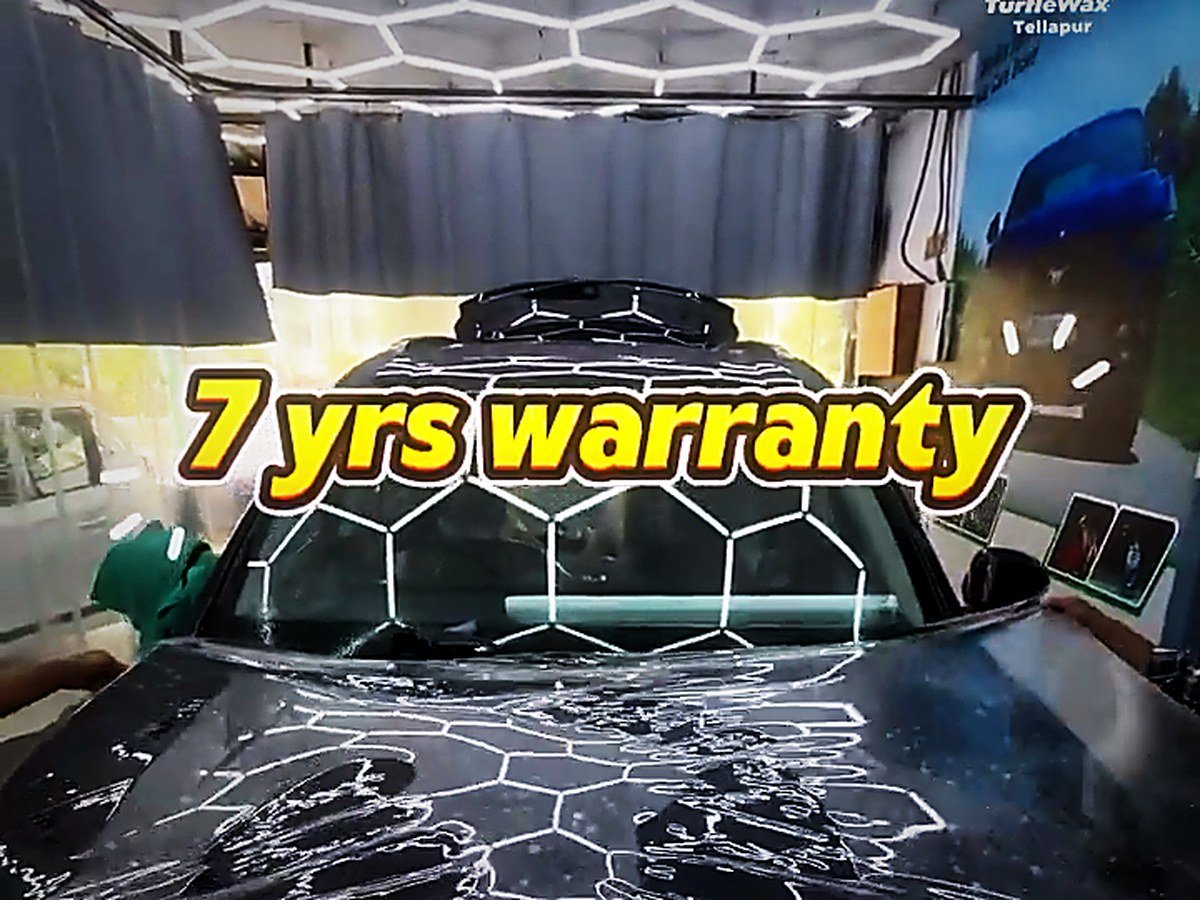
If you want to keep your car's paint looking shiny and new, you might be wondering which option is better: paint protection film (PPF) or ceramic coating. Both offer real protection and durability, but they also have trade-offs worth understanding before you commit. Below we compare the two on protection, cost, durability and application — so that by the end you know which one suits your car and your budget.
PPF is physical protection — a film thick enough to absorb an impact. Ceramic coating is chemical protection — a hard, slick layer that resists UV, chemicals and water spotting. If stone chips are your worry, only film solves that. If gloss and easy washing are your worry, coating does it for a fraction of the price.
What is paint protection film (PPF)?
PPF is a transparent, ultra-thin film made of thermoplastic urethane that is applied to the car's exterior. It protects the paint from damage caused by debris, bugs, stones and other environmental hazards. PPF is also self-healing, which means it can repair minor scratches and swirl marks over time — light scuffs disappear as the top coat relaxes with heat.
Fitted properly, PPF is virtually invisible, so it doesn't change how the car looks. It is also resistant to UV rays and easy to clean and maintain. You can read the full breakdown of thickness, coverage kits and warranty on our paint protection film page.
What is ceramic coating?
Ceramic coating is a liquid polymer that is sprayed or wiped onto the car's exterior and then cured to form a hard, durable, transparent layer. It protects the paint from minor scratches, swirl marks, watermarks and environmental contaminants.
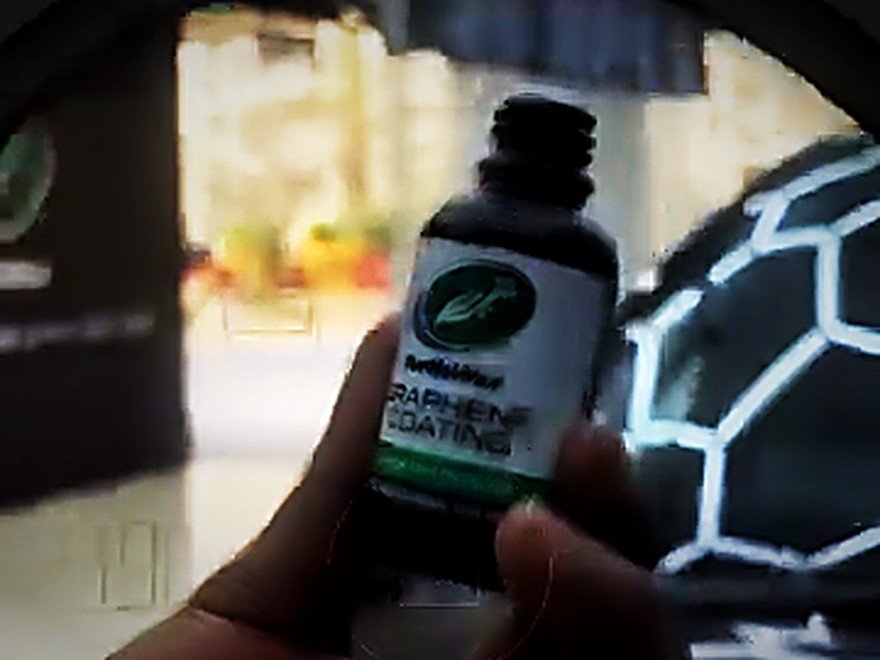
Ceramic coating is also hydrophobic, which means it repels water, dirt and other substances that can harm the paintwork — this is the beading effect you see in every detailing video. It enhances the car's gloss and shine, and protects it from UV rays and oxidation. See our ceramic coating page for grades and warranty periods, or our graphene coating page if your car lives outdoors.
PPF vs ceramic coating at a glance
If you only read one part of this article, read the table. It's the comparison we end up drawing on a whiteboard for customers almost every week.
| What matters | Paint protection film | Ceramic coating |
|---|---|---|
| Stone chips & impacts | Absorbs them — this is the whole point | No meaningful impact protection |
| Deep scratches | Takes the hit instead of your paint | Resists light swirls only |
| Self-healing | Yes — light marks vanish with heat | No |
| Gloss & shine | Keeps the paint's own finish | Visibly deepens gloss |
| Water beading | Moderate | Strong — the classic beading effect |
| UV & oxidation | Yes | Yes |
| Ease of washing | Easier | Much easier — dirt struggles to stick |
| Typical lifespan | 5–7 years | 3–5 years |
| Cost | Higher | Considerably lower |
| Removal | Peels off cleanly | Needs machine polishing to remove |
The pros and cons, side by side
Both PPF and ceramic coating have advantages and disadvantages depending on your expectations and budget. Here are the main ones for each.
Paint protection film
PROS
- Superior protection from rock chips, scratches and physical damage
- Self-healing properties that fix minor imperfections
- Long-lasting protection, often several years
- High impact resistance
- Easy to remove without harming the paint
CONS
- More expensive than ceramic coating
- Complex installation that requires professional fitting
- Cheaper films can yellow over time
- Prone to damage from improper cleaning or maintenance
Ceramic coating
PROS
- Enhanced gloss and shine
- Protection from UV rays and oxidation
- Resistance to environmental contaminants
- Far easier to clean
- Cheaper than PPF
- Lasts much longer than wax or regular paint sealant
CONS
- Not impact-resistant — it will not stop a stone chip
- Labour-intensive application requiring careful prep and paint correction
- Difficult to remove once cured
- Requires regular maintenance and eventual reapplication
Not sure which one your car needs?
Bring it in. We'll take a paint depth reading, walk around it with you and tell you honestly what's worth doing — including when the answer is "nothing yet".
Which one is better for your car?
The answer depends on your preferences, expectations and budget. If you have an expensive or premium vehicle that you want to protect from any kind of damage, PPF is the smarter option. It offers the best protection from rock chips, scratches and other physical hazards that ruin paint — and its self-healing top coat keeps the car looking flawless for a long time.
However, if you are more concerned about appearance and shine, ceramic coating is the better choice. It deepens gloss and makes the car far easier to clean and maintain. It also protects against UV and oxidation, which cause fading and dullness — a real concern on Hyderabad's summer roads. Ceramic coating is cheaper and more accessible than PPF, making it the practical option for most everyday cars.
A rough rule of thumb
- New car, highway commute, dark paint? Film the front end at minimum. That's where every chip lands.
- City driving, parked in a basement, want it to look wet? Ceramic or graphene coating gives you the most visible result per rupee.
- Premium or performance car you plan to keep? Full-body film, coated on top. It costs the most and it protects the most.
- Older car with tired paint? Correction first. Neither product hides damage — they seal in whatever is underneath.
Can you use both together?
Yes — and for many owners it's the ideal answer. You can combine both options for enhanced protection and aesthetics, though it increases the cost and complexity of the job. The film takes the physical abuse; the coating on top of it adds the hydrophobic, glossy surface and protects the film itself from staining and water spots.
A common middle path is to film only the high-impact panels — bonnet, front bumper, fenders and mirrors — and coat the entire car. You get chip protection where chips actually happen, and coating gloss everywhere, at a fraction of the cost of a full-body wrap. Our Ultimate package is built around exactly this combination.
Frequently asked questions
Is PPF better than ceramic coating?
They protect against different things, so neither is universally "better". PPF is a physical film that absorbs stone chips and deep scratches. Ceramic coating is a chemical layer that resists UV, water spots and light swirls, and adds gloss. If you want impact protection, PPF is the only one of the two that provides it.
Can you apply ceramic coating on top of PPF?
Yes, and it's a common combination. The film takes the impact and the coating on top makes it hydrophobic and easier to wash, while also protecting the film itself from staining.
How long does ceramic coating last?
A professionally applied ceramic coating typically lasts three to five years depending on the grade, how the car is stored and how it's washed. Six-monthly inspections and pH-neutral washing keep it performing to warranty.
Does PPF turn yellow?
Older films did. Modern thermoplastic urethane films with UV-stable top coats resist yellowing for the life of the warranty. Yellowing is usually a sign of a cheap film, or one well past its service life.
Which is cheaper, PPF or ceramic coating?
Ceramic coating is significantly cheaper. PPF costs more because the material is expensive and fitting it is skilled, time-consuming work. Many owners compromise by filming only the front panels and coating the rest of the car.
Making the call
Ultimately, the choice between PPF and ceramic coating comes down to what you're protecting against. Both offer genuine protection and durability, and both have trade-offs. Whatever you choose, do your research and talk to a professional before committing — a good detailer will tell you when you don't need something.
If you're looking for a reliable, experienced service provider for PPF or ceramic coating in Hyderabad, get in touch with Turtle Wax Studio Tellapur. We use genuine Turtle Wax products and proper preparation on every car that comes through the bay, and every job leaves with a written warranty card. Get a free quote for your car